In the vast landscape of technology related events, conferences and festivals, there are institutions that have shaped entire fields, setting the stage for innovation and creativity to flourish. Among these, SIGGRAPH stands as a pioneering conference that emerged as a nexus where visionaries converged to explore the untapped potential of computers in handling images and interactions. With roots tracing back over half a century, SIGGRAPH has not only witnessed the evolution and advancement of technology, but has also been instrumental in steering its course.
 TechvangArt wanted to trace the trajectory of a conference that continues to redefine the boundaries of possibilities, looking into its legacy, but also its future. As such we talked with Andrés Burbano, Conference Chair SIGGRAPH 2024.
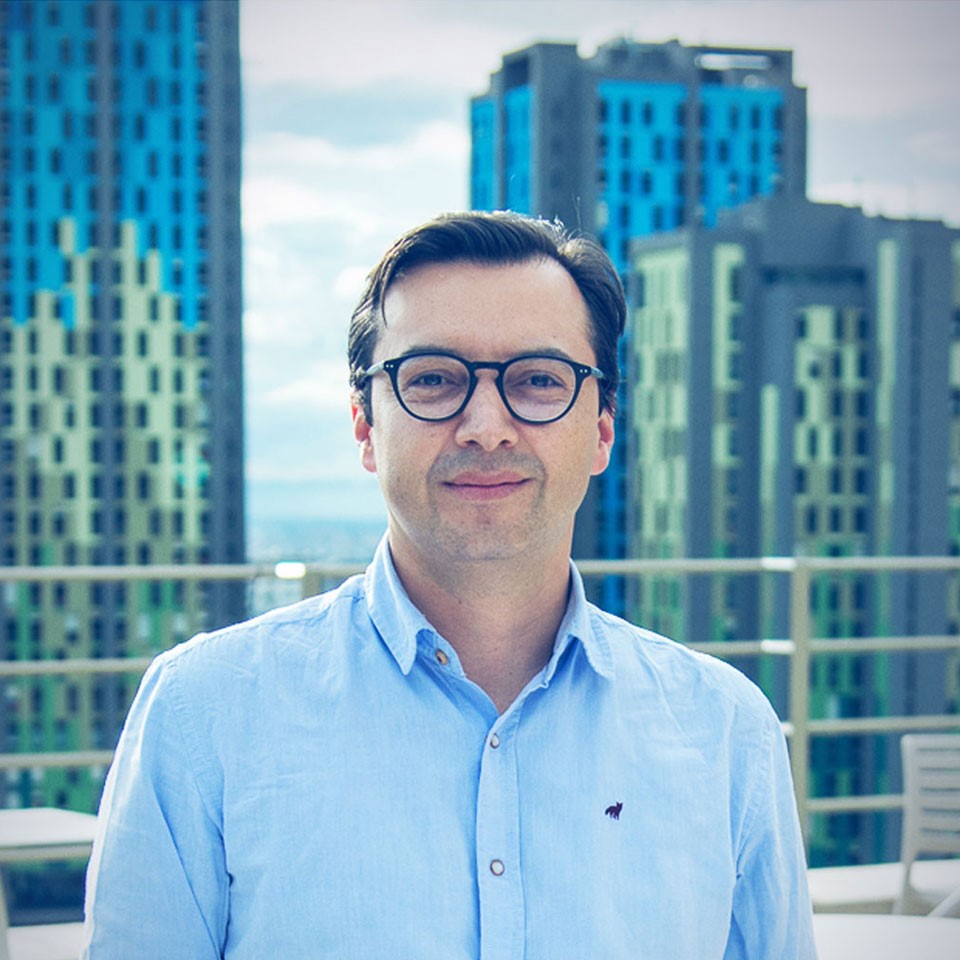
Andrés Burbano, Conference Chair SIGGRAPH 2024.
A renowned artist and professor, originally from Colombia, Andrés Burbano currently teaches at Open University of Catalonia, Barcelona. Andrés Burbano has been instrumental in building some incredible SIGGRAPH programs over the years, include the 2018 Art Gallery, 2020 Art Papers, and 2021 Retrospective (its debut year). His latest publication is “Different Engines: Media Technologies From Latin America”

TechvangArt talked with Andres Burbano about the SIGGRAPH and its he envision the future of Conference, the new role of Global Diplomat and offers for Students, the work done by the VR Theater team and how interactive narrative will change, Keynote Speakers from 2024, but also about… how he will change SIGGRAPH if he had unlimited money 🙂
TVA: Can you tell us a bit about the history of SIGGRAPH, what makes it so unique? Andrés Burbano: SIGGRAPH as many older institutions and initiatives started more 50 years ago establishing kind of the foundations of the field. Compared to other festivals, SIGGRAPH has as the backbone the research of technical development of computer graphics and interactive techniques.
Nowadays, it might sound like a common thing, but we are talking about people who for the first time published papers about rendering, when there was no other place to talk about this, there was no academic culture around it. There were some enthusiasts working on it.
SIGGRAPH was a really interesting, sparkling moment where people got together, they discovered the potential of computers dealing with images, dealing with interaction and you start to develop point by point kind of technical ground. That is really remarkable.
Story Time Travellers in the SIGGRAPH History
So today, I would say the backbone of the SIGGRAPH is still the conference and it’s the technical papers. The organizers knew that there was a need to connect this research to other areas where applications can happen very early on. And two years after it was created, they opened a computer based art gallery. And that lasted until now. We have almost 48 years. It is not a big show, in some moments it was bigger, but it’s very relevant.
Today. The art gallery runs with an open call. And this year, for instance, we had 190 submissions, and probably around 14 will be selected, less than 10%, so it is super competitive. That has some pros and cons; but what I can say is that the works that go there represent somehow the golden age, of what is happening at least in North America. And you know, even though the goal is global.
TECHVANGART RECOMANDATION ( To discover the fascinating History about the film containing computer animation please read the article made by Chris Garcia https://computerhistory.org/blog/computers-the-oscars-best-animated-short-film/

And beside the art gallery, there are also the art papers, which is the most scholarly component of the art, science and technology explorations by artists and scholars. It used to be published in Leonardo, now, it’s an Independent Journal that belongs to ACM and it’s open access.

https://leonardo.info/leonardo
And the important aspect about SIGGRAPH is that it has 25 programmes.
One of the other icons of SIGGRAPH, what adds to the richness of the event is that it was also incorporated very early on The Computer Animation Festival, which is a qualifying festival for the Academy Awards, the Oscars in animation, it’s very well recognised. And this has been influential running continuously since the 80s.
We started to talk about computer animation, showing short films and then the explosion with the commercial studios like Pixar. And in 2018 for the first time, a component was created in the Festival that was based just on VR headsets.
These are applications for storytelling and narrative, and more artistic explorations usually related to storytelling. And from then on, we have had the VR Theater, and this year is run by Yangos Hadjiyannis. And the community is very committed.
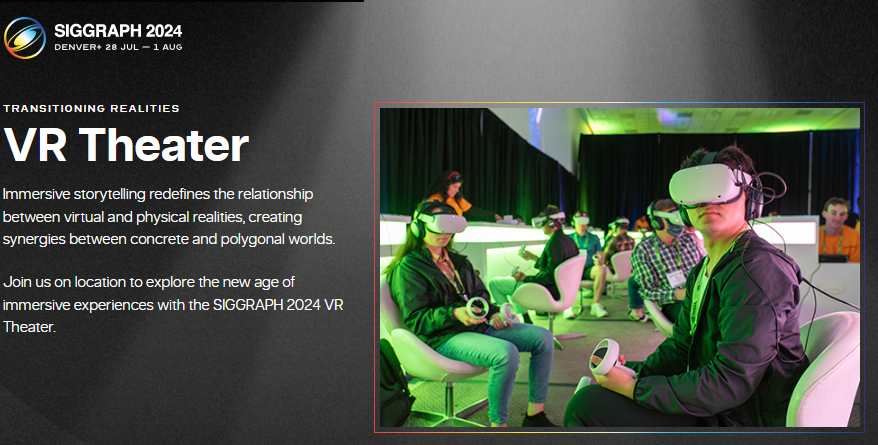
The team is very committed and they work a lot at the venue as well because they design the space – we need to design as well the social experience of being a viewer and even though the headsets disconnect from each other, when you remove the headset you still feel that is common space that you can have a dialogue about the VR experience.
With the VR Theater, we have been waiting for one explosion. Such as: “Now comes the metaverse” and with the metaverse idea, we suspected that we’re gonna have many more submissions, but the submissions don’t grow as fast as the technological changes, at least in this domain. To develop a project for VR is challenging. To get good results you need to have a very good team, there is a need for different expertises, as the narrative in the 360 navigation environment is different than the one for screen
TVA: I would like to come back to the VR Theater, but if we could take a step back no. It is very interesting the entire history of SIGGRAPH, how it started and evolved because as you mentioned it had this strong research component, after the art gallery, animation, art papers, VR. And obviously, it is fascinating how you bring all these ecosystems together, I would be curious how it develops and evolves as a whole?
Because it is a huge opportunity to have all these spaces – for example if you are a new media artists – it is a huge opportunity to have the researchers and to be able to have this constant conversation with scientists, with the latest technologies, maybe you are VR storyteller just needed to understand more about interaction, and you can have the latest papers…
So, for me personally, what makes SIGGRAPH so different and unique is this entire ecosystem build around it and the opportunity it brings with it, and also the focus on different arts, animation, VR….
Andrés Burbano: That’s a very good question. And let me tell you something about it is in SIGGRAPH, we have 25 programmes right. And we can start we know with a more Creative Axis – closer to our worldview, the Art Gallery, Art Papers, Technical Papers; but also you have the companies that are implementing these algorithms and the vendors, SIGGRAPH has also an exhibition component for companies to go and present their projects, products. This year, of course we are having Apple, and the headsets they have developed.
And this is what makes SIGGRAPH unique…. is that in one event, you have from the more critical and creative applications to technology all the way to the ones who commercialise the application and all the you know this spaces in between, it is very rare to have in one particular event, and that is very interesting.
But also for the chair, that is my role now, it’s a big challenge, because you need to try to understand each aspect and problem, what is the history and status of the problem, and where does the current chair want to take that programme in the future? And additionally, my mission is to define a vision for the conference, and then add some components that are part of the conference. For instance, I created like three new positions. One of them is called a Global Diplomat.
SIGGRAPH is an international event, but we really need to have perspectives from around and we need to facilitate the presence of people. And to bring in people with different views, with different technologies, with different needs to take part and contribute. So that’s why we are interfacing with this. Nicolas Henchoz is working in this programme of international outreach as the Global Diplomat.
The Global Diplomat is trying to address serious questions such as how can people from computer graphics and interactive techniques contribute to domains like peace, health or environment?
With regard to the environment we know that visualization is very important. Related to peace, people who are trying to facilitate communications in between people who are in conflict, to still be able to talk to each other. And health is a very important aspect and that’s something that one of the keynotes of 2024 will address – how can scientists and experts from computer graphics get involved in project such as projects willing to do diagnosis sicknesses in the tropical belt which affects around 1 billion people living in conditions where they cannot test, if the fever they have is malaria or not.
The interesting thing is that even at the beginning, we were thinking this is going to be so out of the scope of SIGGRAPH, we have seen that these ideas are being very welcomed by SIGGRAPH and ACM (the main scientific organization that is the umbrella of SIGGRAPH). There is another colleague leading the special projects, and he is working towards a creative use of the data that we have, historically of the conference.
TVA: Actually that is very interesting… And you have all these data, and events and launches, That’s interesting,
Andrés Burbano: For example how we can approach to create like a creative communication process with the audiences, that is not a marketing campaign, but it’s actually for example to find who’s been the key people that people respect. And eventually let’s go to this person and ask him or her to record a short video, and that’s been really interesting.
TVA: Indeed, it is very interesting how you organized it, with the technology and business part, the creatives, and then the role of Global Diplomat about society – and with these main topics: peace, health, environment, we will stay for a long time. But coming back to the issues of what you mentioned earlier, about SIGGRAPH as a global event and wanting to include more.
For me it is interesting, that during Covid, we had this global crisis and lockdowns, and in all that sad state, all the conferences and festival went digital, and some also virtual – creating virtual places where you can also interact. And, now, we are back to only physical events?

Andrés Burbano: That year we also went fully digital, and last year, it was a hybrid event. And this year, we will have a very strong digital component- we are able to have 10 streaming sessions synchronously, with the many parallel sessions and we will transmit everything for people who registered for the conference. And I can announce something – We will have a special discount for students from around the world, it’s called a soft currency policy – depending from the part of the world, there is a discount on the 50% or 75% of the of the online fee and they get access to the ACM literate Digital Library and to SIGGRAPH conference content till October. (Editor’s Note: And by student they can be either finishing high school, degree, post graduate programme, doctoral, postdoc, or are in the first year of working after graduation)

TVA: What other support do you have for Students?
Andrés Burbano: So the first and most visible is the student volunteers – that is to bring students from around the countries – and from around the world, in some cases – and support them to go to SIGGRAPH – they obtain free registration and some expenses are covered. This is huge program, involving around 350 people, and to be able to run that, there is an endowment, it was a generous donation in the past to support students. And then there are also team leader, and those get additional support. Also ACM created a grant for people from under-represented communities to help to attend SIGGRAPH – that is more of a national scope. And now with these initiatives to support students from around the world, we hope to have an impact and to get cutting edge content available. We have a wonderful lady from Jamaica, Gabrielle Robinson, she’s doing an amazing job recruiting the students.

TVA: Coming back to what you said earlier, about VR, and which is true, that technology is evolving faster than the storylines or experiences.
Andrés Burbano: Maybe to rephrase or develop on that… the forces behind change in the digital domain that are happening with headsets are very strong. The adaptations, the creations needed to bring good story telling, of course, takes time, takes resources and learning processes, and that poses a constant challenge on creators for using these media. Last year, it was Quest2, now everybody wants to have Quest3, because it is much better (there is still compatibility between them),. And then it is Apple Pro Vision, which has an entirely different configuration and marketing philosophy – not even VR, is spatial computing.
So it’s difficult to know which of these version it’s gonna triumph in the long term. But at the storytelling will be very important as it is with any technological advancement that involves images. But the projects that take advantage of the uniqueness of that medium are like in the early times of cinema. Such as who were the ones who really understood the process of editing, montage, and also the vocabulary it’s difficult to develop. And it’s a challenge of Yangos Hadjiyannis and his community -, I can see it’s a lot of pressure because they need to take care of all aspects, starting at the philosophical level. We know that these headsets were branded originally with the idea of VR, XR – there was a promise of the transformation of reality and reality is a serious business. And the first time you had the headset, and were introduced to this world and that this could be somehow related to reality, but what they promise is that this is going to be not exactly like reality, but augmented, and then the challenges are different, right?
So this promise of transformation of reality with technical means is very serious, and he’s still behind the development of the headsets. And that promise is challenging to fulfil..
That is why there are some alternatives, the metaverse, or aspects that emphasizes the social component of the interconnectedness – even though again, headsets and social interaction are kind of challenging – but at least you’re connected in experience to other places, you interact with someone who is somewhere else you didn’t know.
TVA: I agree with you, and as you highlighted, I believe that this technology still needs time to find narratives that fits this medium, because a lot of things were done like okay, let’s have a filmmakers to work in VR, but the process, it’s different and it should have different stories that can be done only in VR, and cannot be that produced on the flat screens. This is why I think it is important to have also researchers alongside and it is important all the work done by your team.
TVA: Which keynote speakers will be making appearances at the event this year?Andrés Burbano: We are having people who we think will spark some uncommon ways to understand technology and imagination
MANU PRAKASH from India. He’s been developing inexpensive scientific tools to test malaria or develop microscopes. He is also an associate professor at Stanford, but he’s been traveling around the world. He also investigated how creativity apply to his work – sometimes, his works look more like contemporary art. For instance, he created a medical lab in a music box.

https://www.youtube.com/watch?v=kNQToOEFNmY
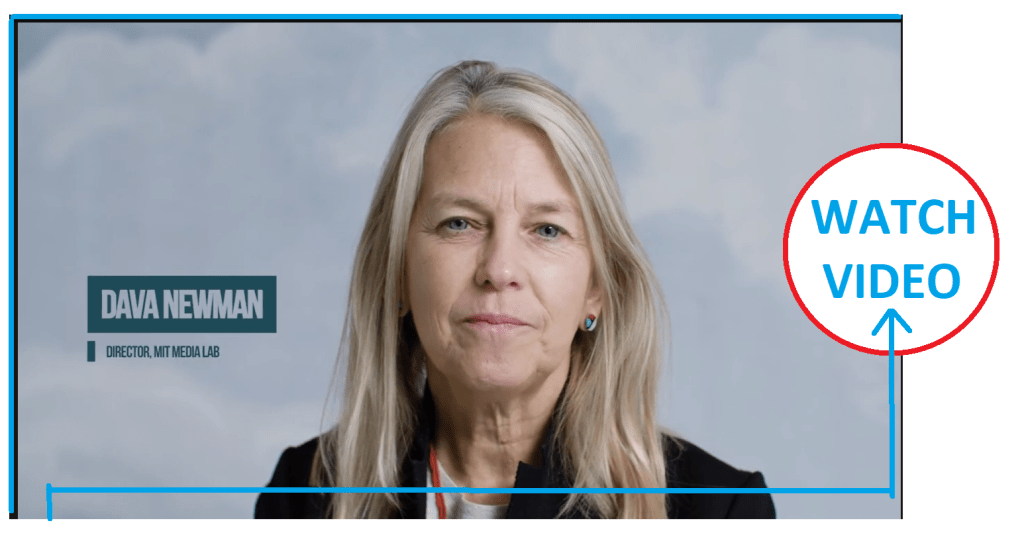
Dava Newman, current MIT Media Lab Director. She was deputy chair of NASA. She is very interesting, for example she poses questions of the spacesuits, including how the body of women can be considered to design these spaces, not just the males.
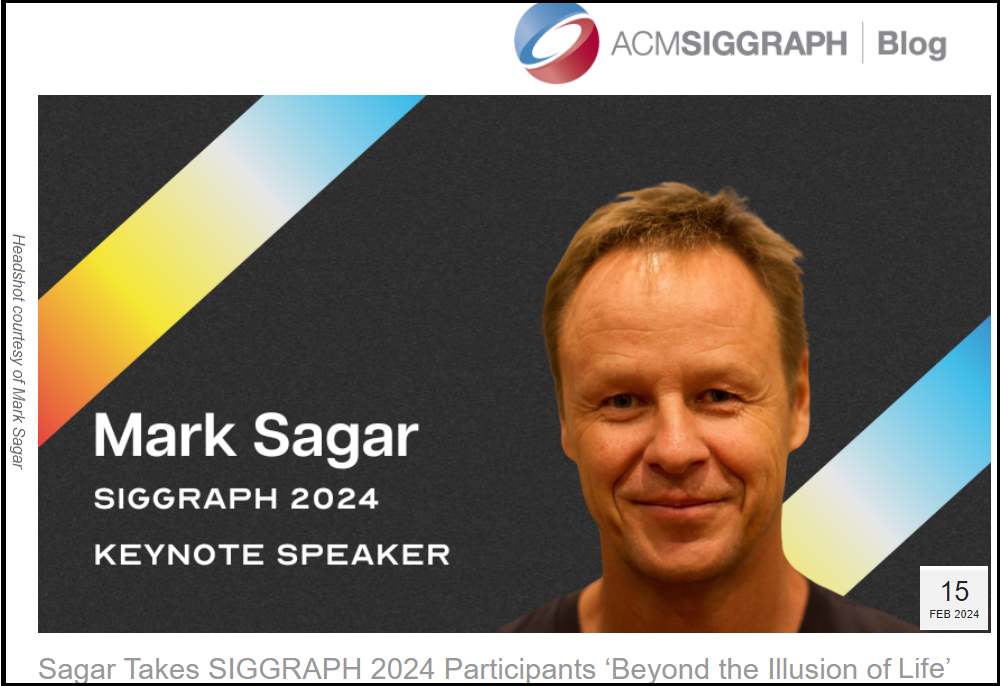
Mark Sagar, he is a scientist and developed technology for the digital characters including Avatar. He started to experiment with AI some years ago, he is developing very interesting animations, like autonomous entities, that have a cognitive model behind, that you can interact with.
Read SIGGRAPH Interview with double-Academy Award winner, Dr. Mark Sagar is the co-founder and Chief Scientific Officer of Soul Machines and Director of the Laboratory for Animate Technologies at the Auckland Bioengineering Institute.
TVA: As we conclude this interview, I would like to pose one final question for you…Let’s suppose you have an unlimited amount of money. How would you change SIGGRAPH, what would be the ideal version, if funds are not a problem?
Andrés Burbano: I would do global itinerant events that moves from different places, from Zimbabwe to US to Colombia to Sri Lanka to Vienna. And this happens around all year long and it’s learning from the technological culture of those places, offering what SIGGRAPH has to offer and trying to ignite interesting connections from the artistic and critical components to the industrial and entrepreneurial. I think that would be my dream. And I believe I’m doing small contributions in that direction…

All photos are copyrighted by SIGGRAPH and may be used by the press only for the purpose of news or editorial coverage

1 comment
[…] Time Travelling Through SIGGRAPH Universe […]
Comments are closed.